Memphis residential architecture presents distinct vulnerability profiles for rodent intrusions, particularly across older craftsman foundations in Midtown, Central Gardens, and Cooper-Young where brick-and-mortar…
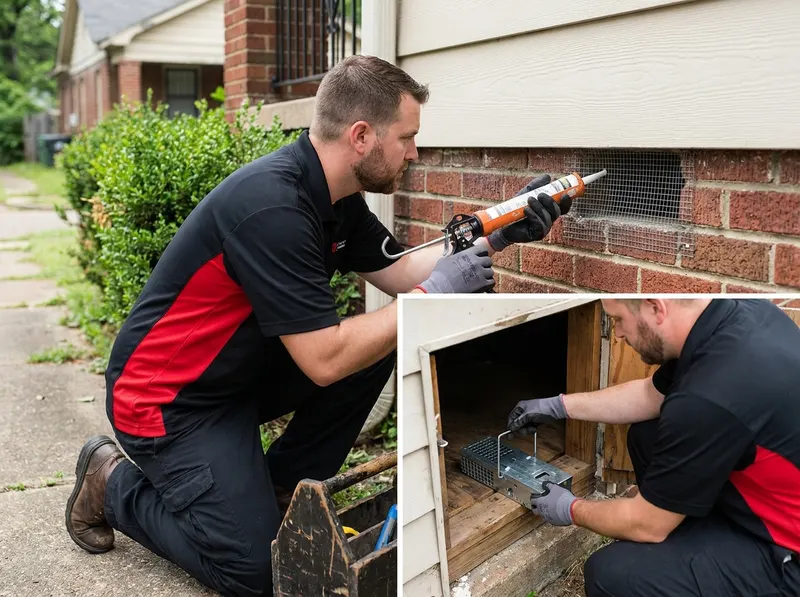
Memphis residential architecture presents distinct vulnerability profiles for rodent intrusions, particularly across older craftsman foundations in Midtown, Central Gardens, and Cooper-Young where brick-and-mortar crawlspace vents degrade over time. In these crawlspaces, river loam soil and sub-floor humidity create optimal harborage conditions for Norway rats seeking shelter from seasonal cold snaps or heavy spring rains along the Mississippi River basin. For homes near tree canopies in East Memphis, High Point Terrace, and Chickasaw Gardens, roof rats leverage overhanging branches to enter attic ridge vents, fascia gaps, and soffits. GraniteWing Pest Care approaches rodent management as a structural remediation protocol rather than a temporary baiting cycle, focusing on physical denial of entry across all exterior moisture and plumbing zones.
Rodent exclusion is fundamentally different from interior pest spraying or open bait deployment. Toxic rodenticides inside living structures frequently lead to animal expiration within wall voids, creating severe secondary odor and insect issues. Mechanical exclusion permanently closes vulnerabilities larger than 0.25 inches using non-corrosive materials. Structural sealing incorporates 19-gauge galvanized hardware cloth, expanded metal backing, and weather-resistant polymer mortars to deny gnawing pests access to interior framing. This physical barrier work addresses entry points along brick weep holes, foundation sill plates, air conditioner chase penetrations, and roof flashing junctions.
The trapping protocol operates concurrently inside the home envelope to rapidly clear active populations. Mechanical snap traps and multi-catch sensors are positioned along verified travel runs within basements, attics, and drop ceilings. Trapping systems are evaluated according to technical guidelines from the National Pest Management Association to ensure placement matches natural rodent runway behaviors. For slab-on-grade homes in Berclair, Whitehaven, and Binghampton, utility service entrances and pipe penetrations through drywall serve as the primary convergence points. In high-water-table areas such as Harbor Town along Mud Island, strict sealing around ground-level sub-vents prevents burrowing sewer rats from migrating upward into wall cavities.
Technicians follow rigid biosecurity procedures during all retrieval and clearance steps. Contaminated droppings, nesting cellulose, and damaged insulation are stabilized following safety measures outlined by the Centers for Disease Control and Prevention to prevent the aerosolization of micro-pathogens such as hantavirus and lymphocytic choriomeningitis. Attic restoration, insulation spot-removal, and sanitation treat the urine markers that otherwise attract future colonies. Structural adjustments align with moisture-control recommendations from the U.S. Department of Housing and Urban Development and venting standards maintained by the International Code Council. Materials deployed for sealing comply with non-combustible building standards from the ASTM International and safety directives from the Occupational Safety and Health Administration. Environmental barrier strategies reflect integrated pest management recommendations published by the U.S. Environmental Protection Agency and agricultural wildlife insights from the University of Tennessee Extension.
Every job gets a firm, written price after a free on-site visit.
Tell us about your rodent exclusion and trapping job in Memphis and we'll send a clear, written quote, usually the same day.
 GraniteWing Pest Care