GraniteWing Pest Care delivers technical pest control service in Memphis designed to neutralize active infestations and seal perimeter vulnerabilities. Memphis properties face elevated biological pressure from subtropical river humidity, making precision perimeter sealing and crawlspace moisture management essential for long-term domestic stability.
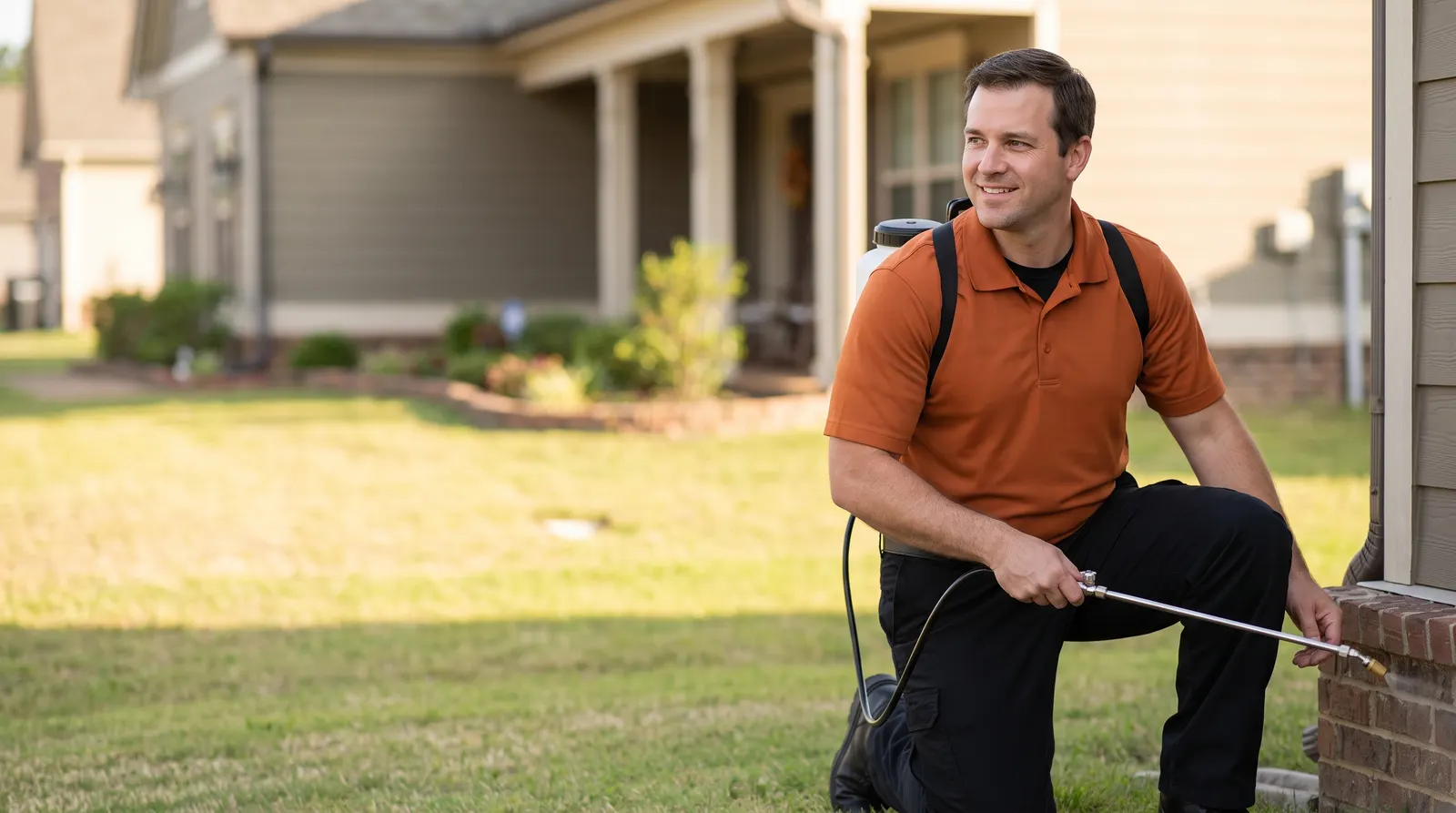
Pest Control Service in Memphis is a specialized environmental management discipline that establishes chemical and physical barriers to eliminate structural wood-destroying organisms, invasive insects, and rodents across Shelby County residential properties.
Every service reflects the same meticulous attention to detail, whether it's a single job or a larger pest control service project across Memphis.
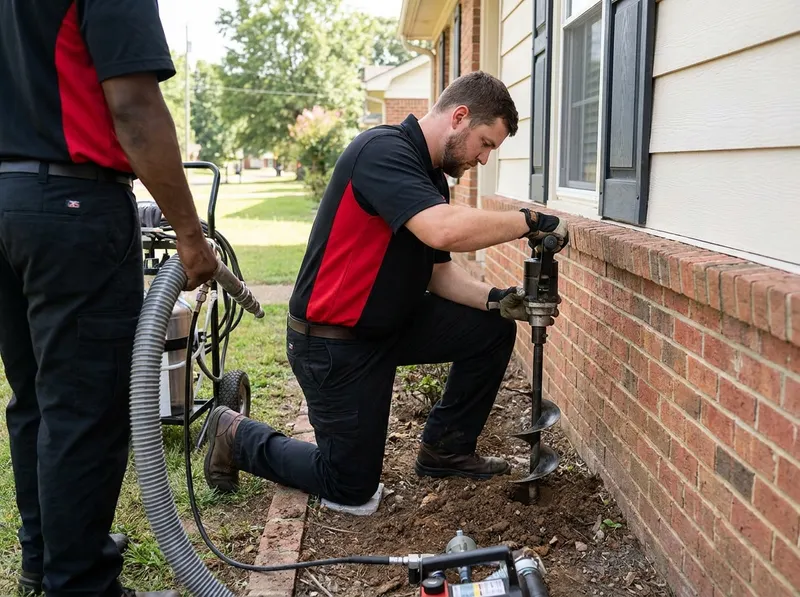
GraniteWing Pest Care deploys non-repellent liquid termiticides via continuous soil trenching and foundation rodding around the structure exterior. Subterranean termites require continuous ground contact, entering through foundation settling cracks, utility conduit penetrations, and expansion joints. Technicians excavate a continuous 6-inch by 6-inch trench directly against exterior stem walls and inject termiticide into the structural perimeter to establish an undetectable barrier that foraging worker termites carry back to the subterranean nest, eliminating the primary reproductive queen. In accordance with the EPA safe pest control guidelines , treatments target the structural perimeter to minimize environmental runoff into local watershed areas. Minimum treatment investment starts at $450 depending on linear foundation footage and slab-drilling requirements.
Get a quote →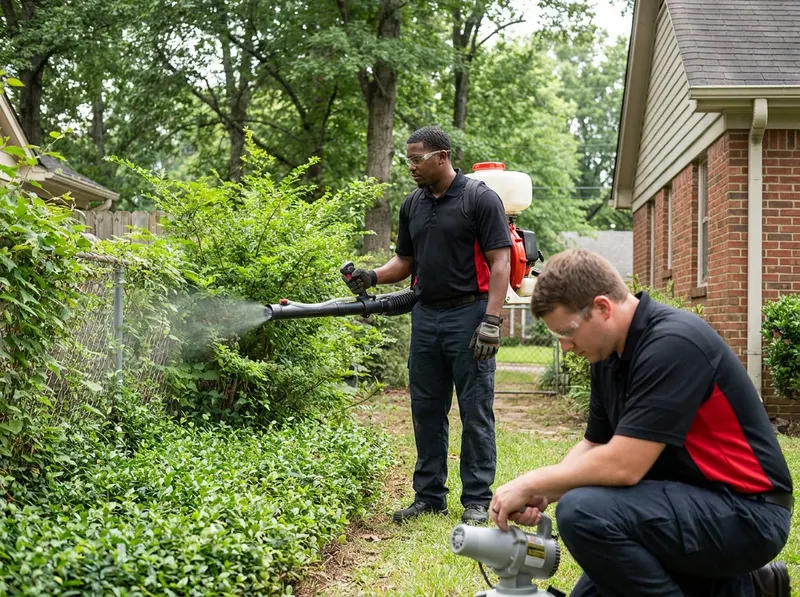
Our targeted mosquito program reduces biting populations by treating adult foliage resting zones and treating non-draining standing water sources with biological larvicides. Technicians apply microencapsulated pyrethroids to the undersides of dense ornamental shrubbery, shaded perimeter wood fencing, and sheltered soffit lines where Aedes and Culex species harbor during daylight heat hours. Concurrently, natural standing water catch basins and gutter channels receive CDC-recommended mosquito larvicide treatments using Bacillus thuringiensis israelensis (BTI) rings to halt pupal development before adult emergence occurs. Standard monthly seasonal treatments begin at our $200 service minimum.
Get a quote →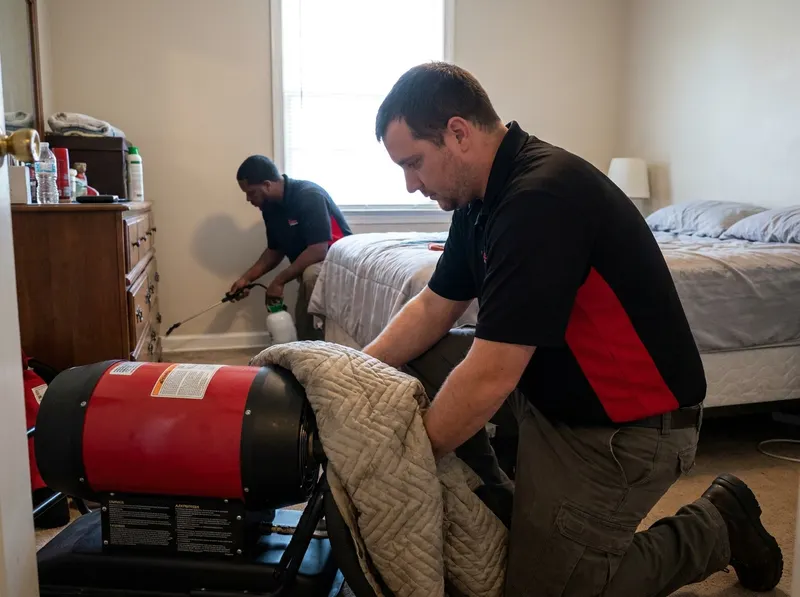
Bed bug eradication requires a multi-stage protocol combining targeted residual applications, crack-and-crevice dusting, and high-temperature spot steam treatments across mattress seams, baseboards, and void perimeters. Technicians systematically disassemble bed frames, treat screw recesses, lift carpet edges, and apply specialized desiccant dusts inside electrical switch plates where bed bugs hide to escape daytime detection. Following the technical management standards published by the National Pest Management Association , our team eliminates active nymphs, feeding adults, and viable eggs without broad-spectrum aerosol drift. Initial bed bug eradication cleanouts start at $400 per room.
Get a quote →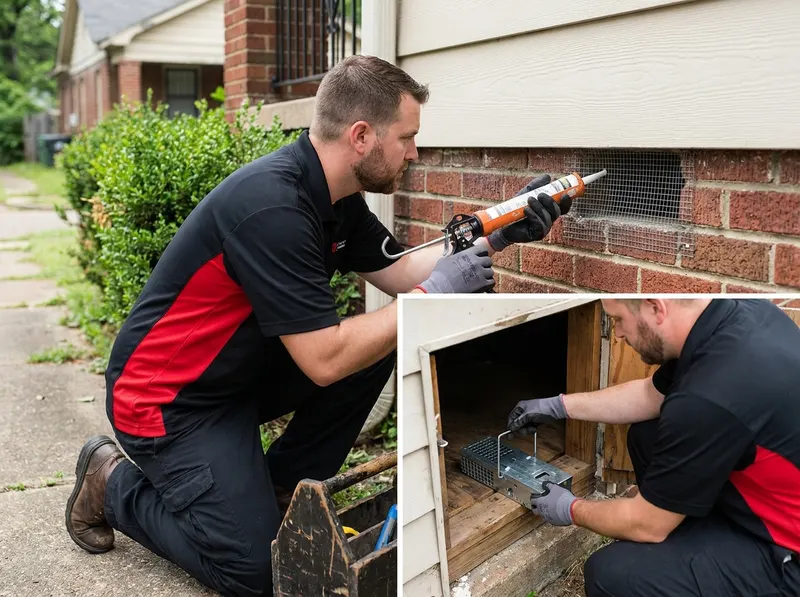
Our rodent protocol targets roof rats and house mice by physically sealing external building gaps larger than one-quarter inch using heavy galvanized hardware cloth, copper mesh, and metal-reinforced polyurethane sealants. Technicians inspect roof returns, chimney flashing, soffit joints, and crawlspace crawl holes before establishing interior trapping grids along observed travel rub marks and attic joist runs using snap traps placed in secured stations, entirely avoiding open interior poison distribution that risks attic carcass decomposition. All exclusion measures align with Shelby County Health Department structural health standards . Structural exclusion packages start at $350 plus necessary material allowances.
Get a quote →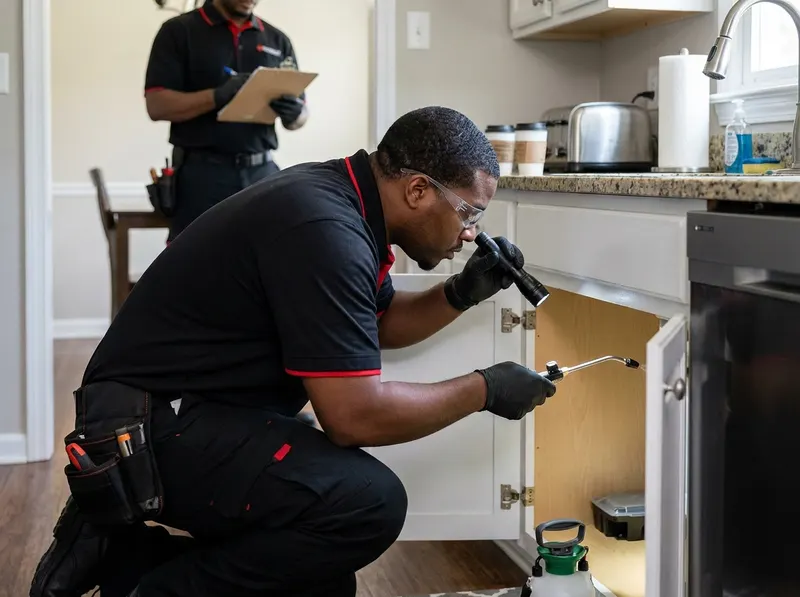
Cockroach remediation uses targeted gel baits containing insect growth regulators (IGRs) combined with focused void dusting in kitchens, bathrooms, and wet mechanical rooms. Large American cockroaches (waterbugs) entering from plumbing chasms and crawlspaces are halted with exterior perimeter granular applications, while interior German cockroach infestations are cleared using low-toxicity bait matrix placements that leverage transfer toxicity throughout aggregations. Technicians follow structural protocols aligned with the Tennessee Department of Agriculture regulatory pest standards . On-site cockroach remediation plans begin at our $200 baseline minimum.
Get a quote →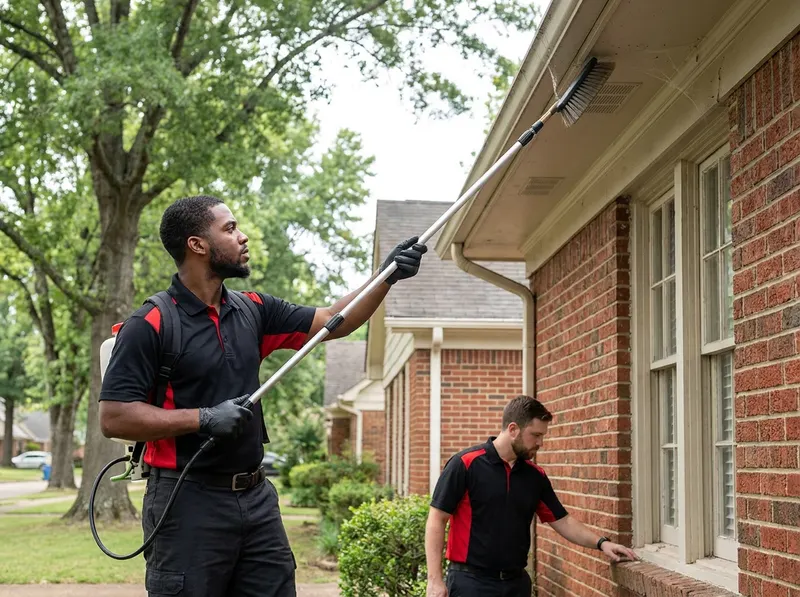
Spider management requires mechanical removal of exterior web structures combined with physical void sealing and residual barrier applications around crawlspace vents, soffits, and window casings. Technicians remove existing structural webbing using telescoping de-webbing brushes, then apply microencapsulated exterior pyrethroids to foundation bands and door perimeters where wolf spiders, brown recluses, and cellar spiders capture prey. Moisture reduction strategies are outlined to eliminate the underlying insect populations that attract predatory arachnids. Standard comprehensive spider suppression starts at $200.
Get a quote →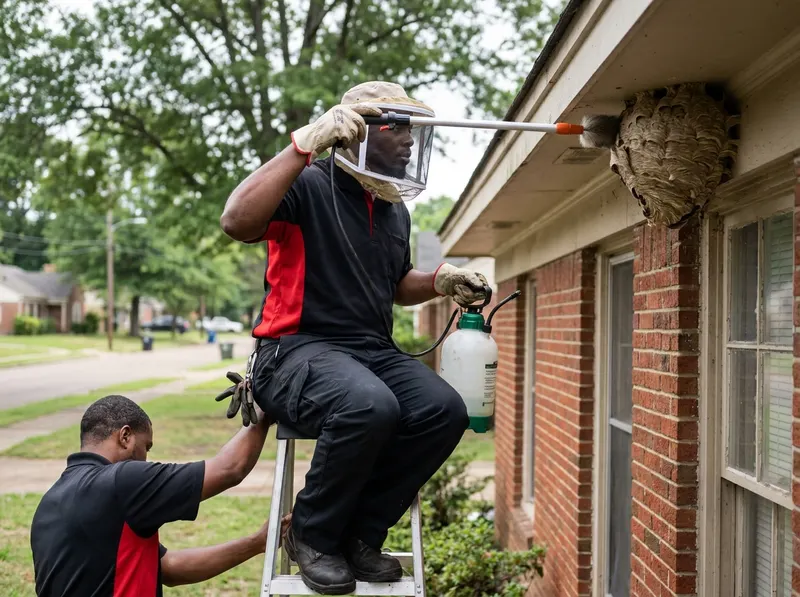
Technicians locate, neutralize, and physically extract paper wasp, yellowjacket, and hornet nests constructed beneath eaves, decks, and attic overhangs. Direct aerosol freeze agents and high-velocity residual dust injections eliminate the defending caste within minutes, allowing immediate physical removal of the nest carton to prevent pheromone re-colonization and secondary carpet beetle infestations. Technicians operate using complete protective apiary suits and fall-prevention equipment consistent with OSHA occupational jobsite guidelines . Single aerial nest extractions start at $200.
Get a quote →Ant control targets carpenter ants, odorous house ants, and pavement ants using specialized non-repellent liquid sprays and slow-acting polysaccharide granular baits. Rather than repelling foraging workers, which often causes budding in species like Pharaoh or odorous house ants, technicians apply non-repellent chemistries along trailing lines. Foraging ants transfer the active compound into the deep sub-surface or wall-void parent nest, eliminating the queen and immature brood. Treatments comply with ecological standards published by the University of Kentucky Department of Entomology pest guides . Targeted ant colony interventions start at $200.
Get a quote →You get a firm, itemized quote for your pest control service before any work begins, no surprises, no pressure.
Careful prep, tidy work, and a full cleanup when we are done. We treat your home and belongings like our own.
The same trusted, background-checked team from the first call to the final check.
Property owners evaluating pest protection face distinct tactical trade-offs depending on the biological vector, environmental conditions, and structural design involved. If dealing with structural subterranean wood feeders, choose an exterior non-repellent liquid trenching barrier over localized interior spot treatments; continuous liquid trenching establishes an unbroken soil-saturation zone that neutralizes the subterranean colony through horizontal transfer, whereas localized spot drilling merely detours worker termites into adjacent untreated wall framing or subflooring joists. If managing high-density German cockroach or bed bug activity in finished living quarters, choose precision crack-and-crevice baiting combined with insect growth regulators instead of broad aerosol space fogging; baiting utilizes targeted feeding behaviors and natural aggregation instincts to collapse hidden harborage nests without contaminating open interior surfaces, leaving hazardous airborne residues, or triggering defensive chemical dispersal into adjacent rooms.
The trade-off is treatment speed versus long-term colony collapse: aerosol sprays provide immediate visual knockdown but drive reproductive survivors deeper into inaccessible structural wall voids, while non-repellent transfer chemistry takes several days to achieve complete colony elimination. For crawlspace moisture issues common in historic Southern homes, encapsulating soil with heavy 12-mil vapor barriers and establishing active mechanical dehumidification outperforms recurring perimeter pesticide dusting alone, trading higher initial mechanical installation costs for lasting prevention of wood decay rot, surface fungus, camel cricket swarms, and subterranean termite colonization. In outdoor recreational spaces, choosing physical barrier netting, drainage corrections, and targeted organic larvicide treatment over automated broadcast misting systems minimizes non-target pollinator mortality while delivering measurable vector control, accepting the minor requirement of periodic manual water inspection across property low points.
Every project gets a firm, written price after a free on-site visit. Ranges below for orientation.
Tell us about your pest control service job and we'll send a clear, written quote, usually the same day. Or just call and talk to a real Memphis pro.
(901) 749-8014
Properties across Memphis feature heavy brick, stone, and historic timber framed over unconditioned crawlspaces, creating severe microclimate moisture zones that attract subterranean termites and wood-boring beetles. The combination of saturated alluvial soils from the Mississippi River basin and humid summer heat creates sustained biological stress, particularly in canopy-covered areas near Overton Park, Shelby Farms Park, Mud Island River Park, and the Memphis Botanic Garden. Neighborhoods like Central Gardens and Cooper-Young contain historic residential framing dating from the early twentieth century, where unvented brick foundations rest directly on moist Wolf River silts, generating prolonged relative humidity spikes that weaken structural subflooring. Across East Memphis, Chickasaw Gardens, and High Point Terrace, dense tree canopies shade ground soil, preventing surface evaporation along exterior stem walls and providing continuous migration corridors for brown recluse spiders, carpenter ants, and roof rats migrating from mature oak groves. In river-adjacent developments like Harbor Town and coastal tracts of Shelby County, the high water table forces subterranean termites upward through foundation cold joints and plumbing wall voids. GraniteWing Pest Care counters these specific regional conditions through foundation soil trenching, moisture retardant adjustments, structural exclusion barriers, and perimeter barrier shielding that protect Memphis architecture from continuous pest intrusion.
Free estimates for Memphis & the surrounding area.
 GraniteWing Pest Care