Memphis experiences an average relative humidity above 70% alongside 214 annual sunny days, creating ideal microclimates for the rapid propagation of siphonaptera and ixodida species. In established neighborhoods such…
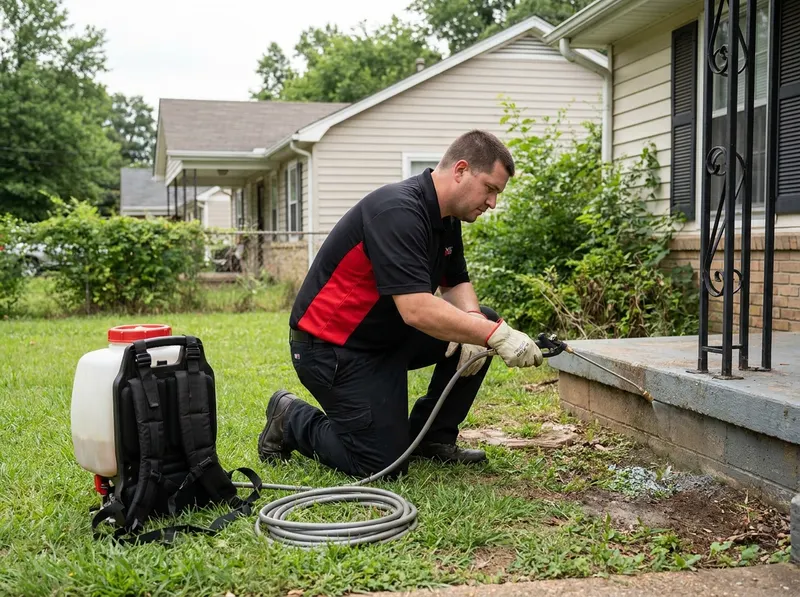
Memphis experiences an average relative humidity above 70% alongside 214 annual sunny days, creating ideal microclimates for the rapid propagation of siphonaptera and ixodida species. In established neighborhoods such as Midtown, Cooper-Young, and Central Gardens, mature tree canopies cast dense shade over damp leaf litter and foundation plantings, creating sheltered outdoor incubators. Undeveloped flea pupae survive within residential crawlspaces and exterior subflooring until ambient temperatures rise above 65 degrees Fahrenheit. The dual-zone protocol neutralizes active vectors before juvenile parasites transfer to indoor carpets and baseboards. Environmental guidelines established by the EPA Pet Safety Division outline that breaking structural pest cycles requires halting the transition from pupae to biting adults, rather than relying exclusively on periodic topical sprays.
Interior treatments target carpet fibers, upholstered furniture margins, pet bedding zones, and deep baseboard recesses using targeted insect growth regulators compliant with the CDC Tick Surveillance Program guidelines. This chemical mechanism prevents female specimens from producing viable eggs and arrests chitin synthesis in developing larvae. Technicians coordinate exterior perimeter applications in coordination with guidance from the Tennessee Department of Agriculture Pesticide Division, treating the transition zone between manicured turf, shrub beds, and building footings. Properties bordering wooded park corridors or water outlets, including areas near Shelby Farms Park, Overton Park, and Mud Island River Park, face increased vector density from local wildlife like white-tailed deer, raccoons, and opossums carrying external parasites into residential yards.
Protocol execution follows structured technical benchmarks. Step 1: Technicians conduct a physical moisture and pest assessment across crawlspaces, foundation vents, and yard transition boundaries. Step 2: Interior spaces receive micro-capillary liquid applications containing pyrethroid knockdown agents and pyriproxyfen insect growth regulators. Step 3: Technicians treat exterior resting zones, under-deck gaps, and perimeter fence lines up to a 15-foot buffer using equipment evaluated under OSHA Jobsite Safety Standards. Step 4: The property owner vacates indoor rooms for precisely 120 to 180 minutes while treated surfaces dry thoroughly. Step 5: A follow-up perimeter assessment occurs at day 14 to verify complete eradication of newly emerged nymphs.
Every job gets a firm, written price after a free on-site visit.
Tell us about your flea and tick yard and interior protocol job in Memphis and we'll send a clear, written quote, usually the same day.
 GraniteWing Pest Care